
 Vanessa
Top effective bat repellents for Malaysian homes include natural options like lemongrass, citronella, eucalyptus, and peppermint oils, which emit scents bats dislike bat repellent. Ultrasonic devices that disrupt bat echolocation are also widely used, especially when placed near entry points. Physical barriers such as sealed cracks and mesh screens prevent roosting indoors. While chemical repellents offer short-term solutions, they require cautious use due to health risks. Further details reveal how these methods suit local bat behavior and environments.
Understanding Bat Behavior in Malaysian Homes
Although bats are often misunderstood, their behavior in Malaysian homes is largely influenced by environmental factors such as climate, availability of food, and shelter https://igreenasia.com/. Malaysia’s tropical climate creates an ideal environment for bats to thrive, offering warmth and humidity year-round.
Fruit trees, insects, and flowering plants supply consistent food sources close to human dwellings. Additionally, the architectural structures of homes, including attics and eaves, provide safe roosting spots. Bats tend to select homes that offer minimal disturbance and easy access to feeding areas. Understanding these patterns is vital for those seeking coexistence or control. Recognizing how natural conditions shape bat presence supports informed decisions about managing their interactions with residential spaces while respecting their ecological role.
Natural Bat Repellents Suitable for Malaysia
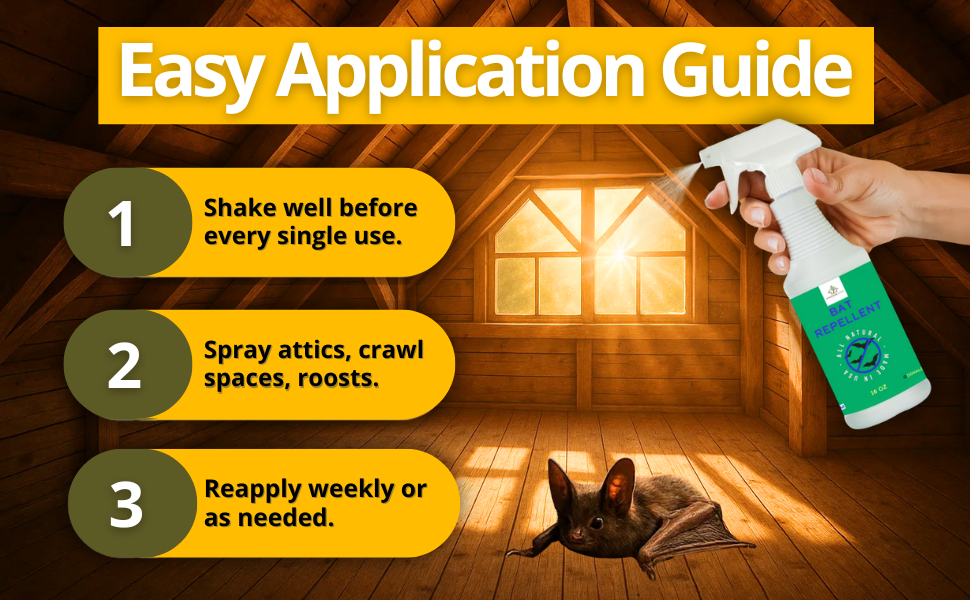
In tropical environments like Malaysia, natural bat repellents offer an eco-friendly approach to managing bat presence in homes. Plants such as lemongrass and citronella emit scents bats find unpleasant, helping to deter them without harm. Essential oils derived from eucalyptus and peppermint can be applied around entry points, creating a natural barrier.
Additionally, placing cloves or garlic near common roosting spots discourages bats due to their strong odor. These methods align with a desire for freedom from invasive pests while respecting local ecosystems. Natural repellents provide an effective alternative to chemical solutions, minimizing health risks to residents and pets.
Their use supports sustainable living, preserving the balance between human comfort and wildlife conservation throughout Malaysian households.
Ultrasonic Bat Repellent Devices: How They Work
Ultrasonic bat repellent devices typically emit high-frequency sound waves that are inaudible to humans but disruptive to bats. These devices operate by producing frequencies that interfere with bats’ echolocation, causing discomfort and disorientation. As a result, bats tend to avoid areas where ultrasonic waves are present, creating a non-lethal barrier.
The technology allows homeowners to protect their spaces without resorting to harmful measures, preserving both human freedom and wildlife safety. Placement is vital for effectiveness; devices should cover entry points and common roosting areas. While ultrasonic repellents offer a convenient, humane solution, their success often depends on environmental factors like room size and obstacles.

Chemical Bat Repellents: Safety and Effectiveness
Chemical bat repellents have become a common choice for managing bat presence in Malaysian homes due to their accessibility and ease of use. These repellents often contain ingredients like naphthalene or essential oils, which emit odors bats find unpleasant, encouraging them to leave.
While effective in short-term deterrence, their safety depends on proper application. Misuse or overuse can pose health risks to humans and pets, particularly in enclosed spaces. Users should follow manufacturer guidelines strictly to minimize exposure.
Chemical repellents offer a practical option for those seeking immediate relief from bats without physical harm. However, their effectiveness varies with environmental conditions and bat species.
Preventative Measures to Keep Bats Away
Beyond reactive solutions like chemical repellents, implementing preventative measures can markedly reduce the likelihood of bats entering Malaysian homes. Proactive steps provide long-term freedom from unwanted bat intrusions.
Key strategies include:
- Sealing entry points such as cracks, vents, and gaps to block bat access.
- Installing mesh screens on windows, vents, and chimneys for physical barriers.
- Removing attractants like standing water and outdoor lighting that draws insects, a primary food source for bats.
- Regularly trimming tree branches near roofs to eliminate roosting spots.
These measures create an unwelcoming environment without relying on harmful substances, promoting a safe, bat-free living space. Homeowners gain peace of mind and maintain control over their environment by prioritizing prevention over reactive tactics.
Conclusion
Effectively managing bat presence in Malaysian homes involves understanding their behavior and employing suitable repellents. Natural options, such as certain plants and essential oils, offer safe deterrence, while ultrasonic devices provide a non-invasive alternative. Chemical repellents can be effective but require cautious use due to safety concerns. Combining these methods with preventative measures, like sealing entry points, guarantees a thorough approach to keeping bats away, promoting a safer and more comfortable living environment.