
 Vanessa
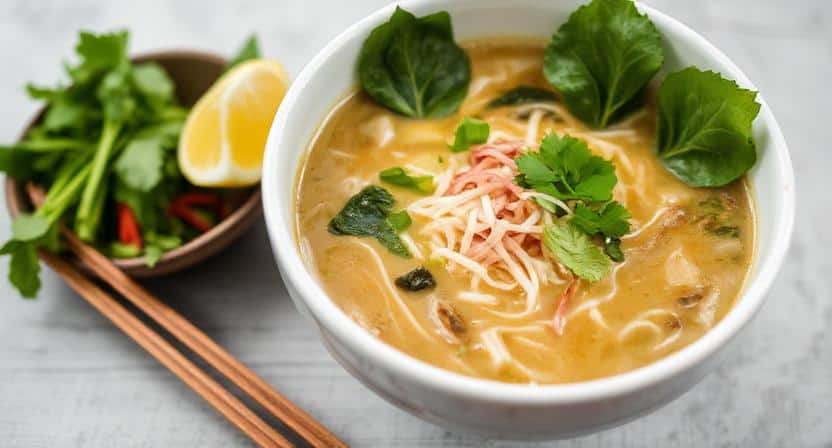
Nyonya Laksa is a vibrant, flavorful dish that beautifully blends the culinary traditions of Chinese and Malay cultures. Famous for its rich coconut-based soup, aromatic spices, and a perfect balance of sweet, sour, and spicy notes, Nyonya Laksa has become a beloved comfort food across Southeast Asia. If you’ve ever wanted to recreate this iconic dish at home, understanding its ingredients, preparation, and cultural significance is key.
At its heart, Nyonya Laksa is a noodle soup. The noodles, typically thick rice vermicelli or laksa noodles, form the base of the dish. They are complemented by a rich, creamy broth made primarily from coconut milk, which gives the soup its signature smooth texture and slightly sweet undertone. The broth also carries an aromatic punch, thanks to ingredients like lemongrass, galangal, turmeric, chili, and shrimp paste. These components create a depth of flavor that is both comforting and complex.
One of the essential elements in a successful Nyonya Laksa recipe is the preparation of the spice paste. This involves grinding fresh ingredients into a smooth, fragrant mixture that forms the foundation of the soup. Ingredients such as shallots, garlic, dried chilies, and shrimp paste are typically roasted or sautéed to enhance their flavors. Once cooked, the spice paste is combined with coconut milk and broth to create a luxurious, aromatic soup base.
Protein options vary depending on personal preference. Common choices include prawns, chicken, fish cakes, and tofu puffs. These proteins are often cooked separately and added to the noodles just before serving to maintain their texture and flavor. To further elevate the dish, fresh herbs like Vietnamese coriander or cilantro are sprinkled on top, along with bean sprouts, lime wedges, and a dollop of sambal for extra heat.
Serving Nyonya Laksa is as much about presentation as it is about flavor. The combination of colorful ingredients – orange prawns, green herbs, and creamy white coconut soup – makes the dish visually appealing. Traditionally, it is served in a deep bowl, allowing diners to enjoy the rich, aromatic broth alongside the noodles and toppings.
For those looking to experiment with their cooking, Nyonya Laksa offers flexibility. The level of spiciness can be adjusted, and ingredients can be substituted based on availability. The key is to maintain a balance between the creamy richness of the coconut milk and the aromatic punch of the spice paste.
In conclusion, mastering a Nyonya Laksa recipe at home is both a rewarding and delicious endeavor. With its layers of flavor, variety of textures, and cultural significance, it’s more than just a meal – it’s a celebration of Southeast Asian culinary heritage. By following a well-prepared recipe, even home cooks can enjoy this iconic dish and bring a taste of Peranakan tradition to their dining table.