
 Vanessa
Differences between Pay-As-You-Earn (PAYE) deductions and the final tax bill occur because PAYE relies on estimated annual income and standardized rates, not actual earnings fluctuations personal loan monthly repayment calculator malaysia. Timing mismatches, excluded income types, and unaccounted deductions further contribute to discrepancies. Life changes such as marriage or job shifts alter taxable income and credits, impacting withholding accuracy. Consequently, taxpayers may receive a refund or additional bill. A deeper understanding of these factors can clarify how to better manage PAYE deductions and tax outcomes.
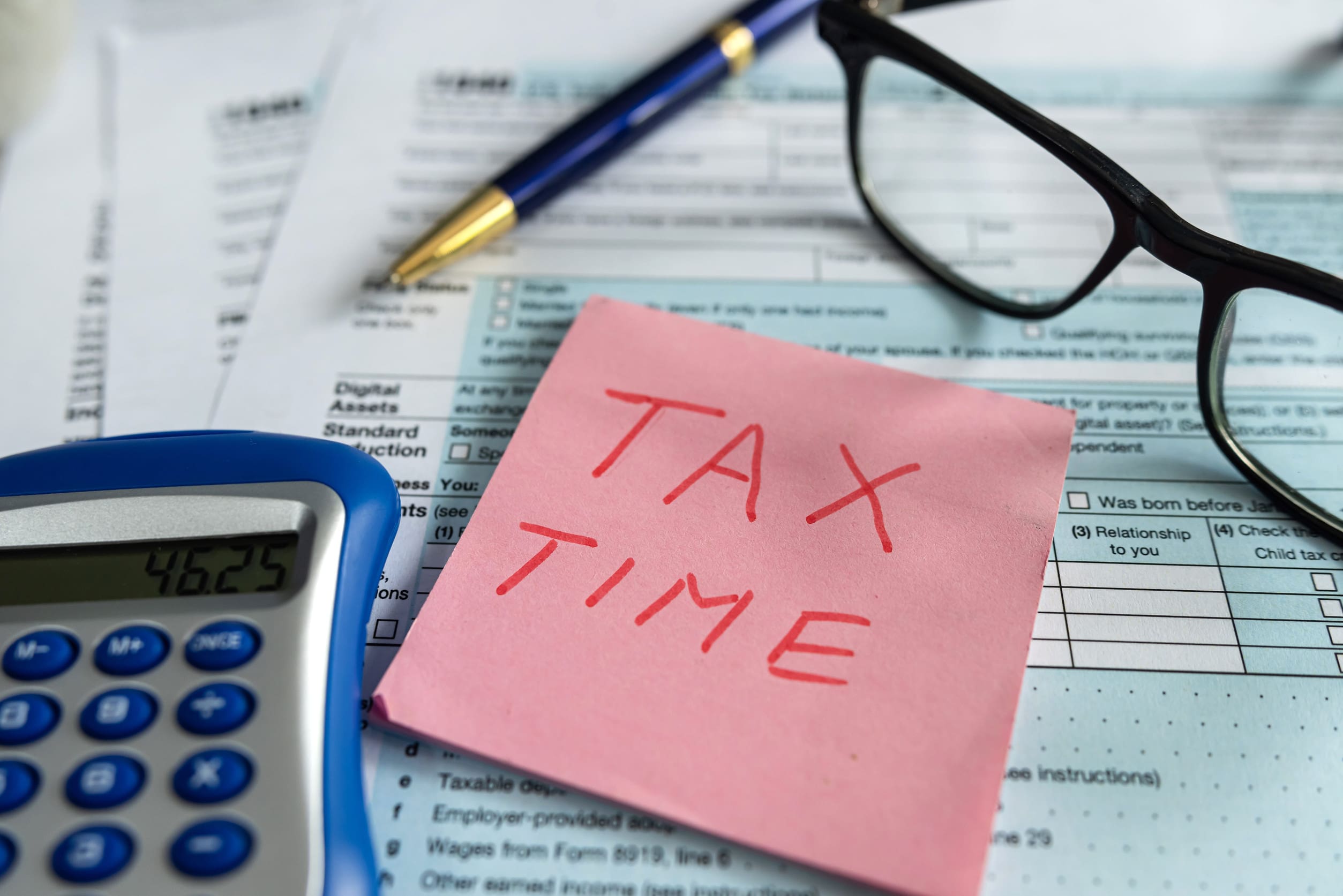
Why Your PAYE Tax Deductions Don’t Match Your Tax Bill
A fundamental reason why PAYE (Pay As You Earn) tax deductions often diverge from the actual tax owed lies in the method of calculation and timing differences.
PAYE operates on estimated income and applies standardized rates periodically, which may not account for fluctuations in earnings, deductions, or tax credits within the fiscal year Calculate App. Consequently, the cumulative deductions may understate or overstate the taxpayer’s final liability.
Additionally, PAYE calculations exclude certain income types and adjustments recognized only during annual tax assessments, leading to discrepancies between deducted amounts and the finalized tax bill. This gap underpins the frequent necessity for reconciliations.
How PAYE Deductions Are Calculated
Understanding the calculation method behind PAYE deductions clarifies why discrepancies arise between withheld amounts and final tax obligations.
PAYE deductions are computed based on projected annual income, applying statutory tax rates and considering standard reliefs. Employers calculate these deductions per pay period, often monthly, prorating annual tax liabilities accordingly.
Variations in income timing, benefits, or relief claims influence the withholding amount. The method assumes consistency in earnings and tax credits, which may not reflect actual yearly circumstances.
Consequently, PAYE serves as an estimate, balancing administrative simplicity with tax compliance, yet inherently susceptible to divergence from the final tax assessment.
Common Reasons for PAYE Refunds and Tax Bills
Several factors contribute to discrepancies between PAYE deductions and the final tax liability, resulting in refunds or additional tax bills. Variations in income levels during the tax year, inaccurate tax code application, and overlooked deductible expenses often cause these differences.
Additionally, income from multiple sources may lead to under- or over-withholding. Changes in tax relief eligibility or failure to update personal information with tax authorities also impact withholding accuracy.
These elements collectively affect the alignment between deducted PAYE amounts and actual tax owed, necessitating adjustments through refunds or supplementary payments to reconcile tax obligations accurately.

How Life Changes Impact Your PAYE Deductions
How do significant life events influence the accuracy of PAYE deductions? Changes such as marriage, divorce, childbirth, or job transitions directly affect taxable income and applicable tax credits.
These events alter an individual’s financial landscape, potentially causing discrepancies between deducted amounts and actual tax liability. Failure to account for such shifts can result in overpayment or underpayment, consequently affecting cash flow freedom.
Additionally, variations in income levels due to career changes impact PAYE calculations, further complicating tax outcomes.
Understanding these dynamics is essential to anticipate potential refunds or bills arising from PAYE withholding adjustments linked to life changes.
How to Adjust Your PAYE Deductions to Avoid Surprises
Because fluctuations in income and personal circumstances can lead to discrepancies between PAYE deductions and actual tax owed, proactively adjusting withholding amounts is essential. Taxpayers should regularly review their income, benefits, and deductions to align PAYE rates accurately.
Utilizing updated tax calculators or consulting financial advisors aids in determining appropriate withholding levels. Employers can facilitate adjustments through payroll systems when informed promptly.
Implementing timely revisions mitigates year-end tax liabilities or excessive refunds, promoting financial autonomy. Ultimately, precise PAYE management empowers individuals to maintain control over their cash flow, minimizing unexpected tax outcomes and enhancing fiscal predictability.
Conclusion
Discrepancies between PAYE tax deductions and actual tax owed often arise from standardized calculation methods that do not fully account for individual circumstances. Life changes, income variations, and tax code adjustments can lead to unexpected refunds or bills. Proactive management, including regular review and adjustment of PAYE deductions, is vital to align tax payments with liabilities accurately. This approach minimizes financial surprises and guarantees compliance with tax obligations.